The BriefYouth and GovernanceEditorial feature
Counted is not the same as heard
Young people are counted in every plan. Four simple questions show whether they were heard in any of them.
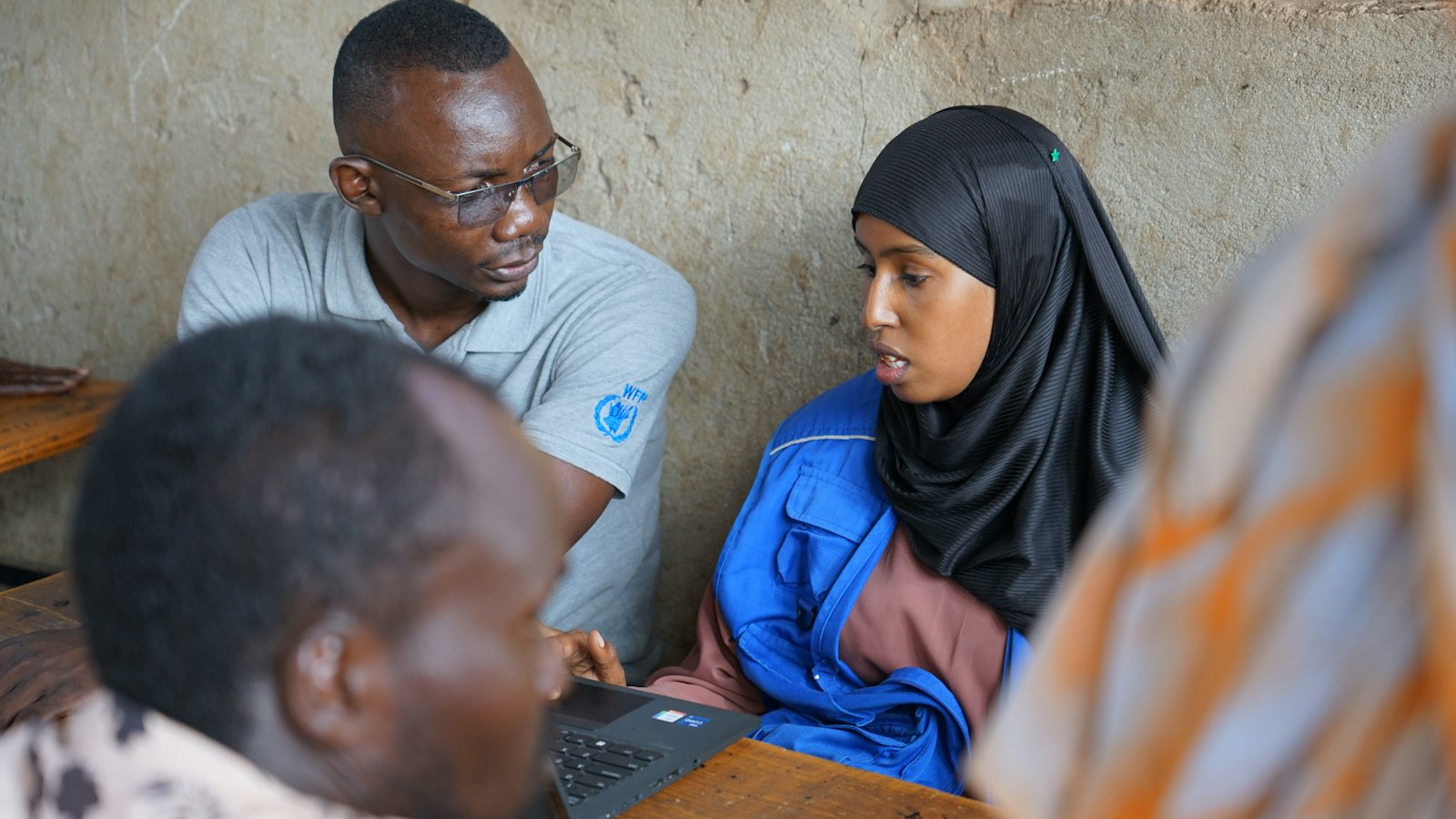
Young people are counted in every plan. Are they heard in any of them?
Zambia's National Youth Policy works from projections that put people aged 19 to 34 at about 5.4 million, out of a population of just over 20 million. That is roughly one in four people. Count a wider age band, as some studies do, and the share is much higher. Whichever definition you use, young people are a large part of this country.
Being counted is easy. A census does it, a survey does it, a registration form does it. Being heard is harder, because it asks something of the people holding the decision.
Four questions
At Unseen Minority we use four simple questions to tell the difference.
Were young people told early enough to prepare? A consultation announced two days before it happens is an invitation that cannot be accepted.
Were they asked, and in a way that works? A hall at 10 in the morning on a weekday filters out students, workers and anyone without transport money. A short message, a radio slot or a community meeting at a sensible hour reaches more people.
Could their input change the outcome? If the plan was finished before the meeting, it was a presentation, not a consultation.
Did anyone come back and say what happened? Feedback is the step most often skipped. Without it, people learn that speaking up costs time and returns nothing, and they stop.
Small, checkable practices
None of this needs a new law or a big budget. The committees, consultations and budget meetings already exist. The question is who is in the room, who was told in advance, and who hears the result.
MISA Zambia has also called for meaningful youth participation in governance. Calls like that are most useful when they are matched by small, checkable practices at the local level.
If you work in a school, a church, a council, a company or a community group, try the four questions on your next meeting. If an answer is no, that is not a failure. It is a place to start.
Where have you seen young people really involved in a decision, or left out of one? Share what you are comfortable having public.
Civil society
Views in contributed pieces are their authors’ own. Want to respond? Write for us.


Comments
A moderator reads every comment before it appears. Keep it on the argument, not the person.
No comments yet.
Sign in to comment